
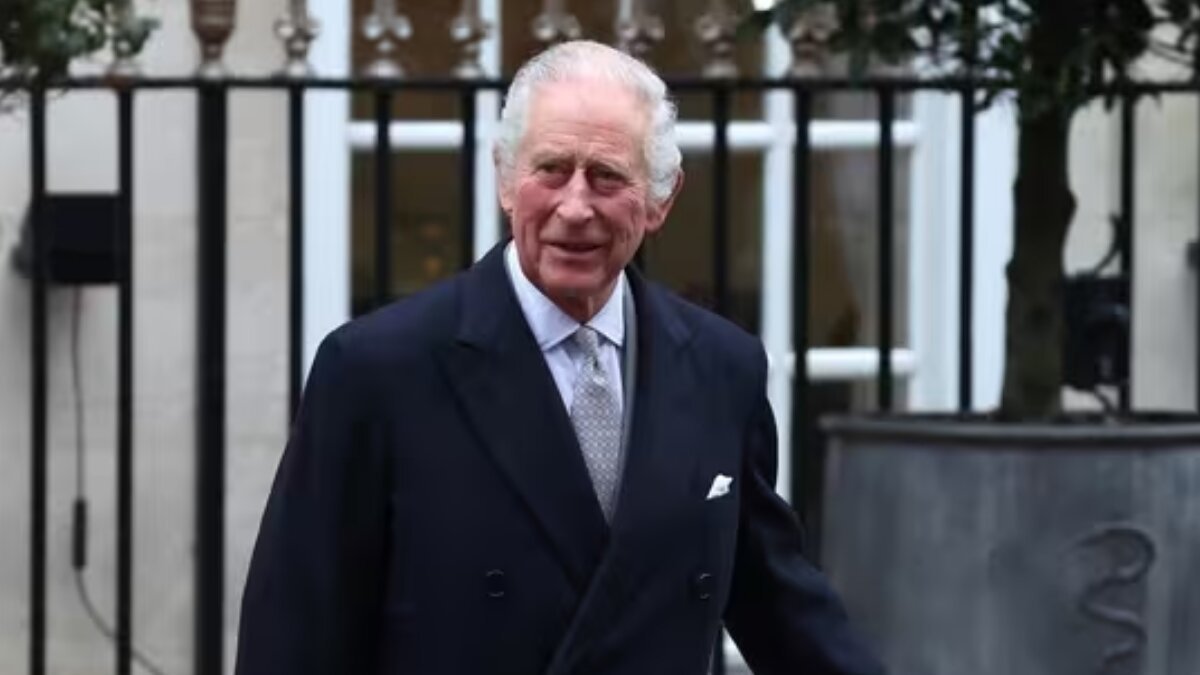
King Charles of Britain was recently diagnosed with cancer while receiving treatment for benign prostatic hyperplasia, or an enlarged prostate. The nature and extent of the cancer are yet unknown, but the public’s curiosity about prostate problems has increased due to the monarch’s health, as evidenced by the spike in searches following Buckingham Palace’s statement.
Benign prostatic hyperplasia, also known as an enlarged prostate, is a common non-cancerous illness affecting males over 50. Men’s reproductive systems include the prostate. Urinating frequently, having difficulty urinating, and not being able to empty the bladder fully are signs of an enlarged prostate.
“Benign Prostatic Hyperplasia (BPH) is a common condition among older men, characterised by the non-cancerous enlargement of the prostate gland. The prostate, a walnut-sized gland surrounding the urethra, plays a role in male reproductive function by producing seminal fluid. As men age, hormonal changes can lead to an overgrowth of prostate cells, causing the gland to enlarge,” said Dr Ashutosh Baghel, Consultant Urologist & Renal Transplant Surgeon at Wockhardt Hospitals, Mira Road.
“The prostate gland typically begins to enlarge in middle-aged men and continues to grow with age. As it enlarges, it can squeeze the urethra and obstruct the flow of urine, leading to various urinary problems,” added Dr Manav Suryavanshi, Head, Department of Urology, Clinical Lead – Uro-Oncology & Robotic Surgery at Amrita Hospital, Faridabad.
Symptoms

Dr. Suryavanshi goes into detail on the typical symptoms of an enlarged prostate, which might include nocturia, frequent urination, and difficulty starting a urine stream.
Urinating more frequently: Men with BPH frequently feel the need to urinate more regularly.
Nocturia: increased frequency of nighttime urination that interferes with sleep or quality of life.
Defective urinary stream: Urine may not flow at all or may flow weakly.
Redundancy: The smooth flow of the urine stream is lost as it begins and ends.
Straining and irritation: Some men could experience difficulty starting the flow of urine.
Incomplete sense of evacuation: After urinating, men may feel as though their bladder hasn’t been fully empty and want to discharge urine within an hour or two.
Retention: BPH can, in severe situations, result in the retention of urine.
Ways to reduce the likeliness
“Lifestyle changes such as limiting caffeine and alcohol intake, regular exercise, and maintaining a healthy diet can help alleviate symptoms. In more severe cases or if symptoms do not respond to medications, surgical procedures like transurethral resection of the prostate (TURP) or laser therapy may be recommended to reduce prostate size. Regular monitoring and adjustments to the management plan may be necessary to ensure optimal results. It’s important to seek medical advice for an accurate diagnosis and appropriate management,” stated Dr Baghel.
1. Cautious waiting: For those with little symptoms, active observation or a watchful waiting approach may be advised.

2. Lifestyle improvements: A few specific lifestyle adjustments can help reduce BPH symptoms. These include drinking less water before bed, abstaining from alcohol and caffeine, and learning to “double void”—urinate twice in a brief amount of time.
3. Adequate medication: There are a number of drugs available to treat the symptoms of BPH. Alpha-blockers enhance urine flow by relaxing the neck and prostate muscles. 5. Over time, 5-alpha reductase inhibitors can cause the prostate gland to shrink.
4. Invasive treatments: You may want to think about minimally invasive techniques including laser therapy, transurethral microwave therapy (TUMT), and transurethral needle ablation (TUNA).
5. Surgical assistance: To remove or reduce the blocking prostate tissue, surgical alternatives including transurethral resection of the prostate (TURP) or laser surgery may be suggested in extreme cases or when other treatments are ineffective.