
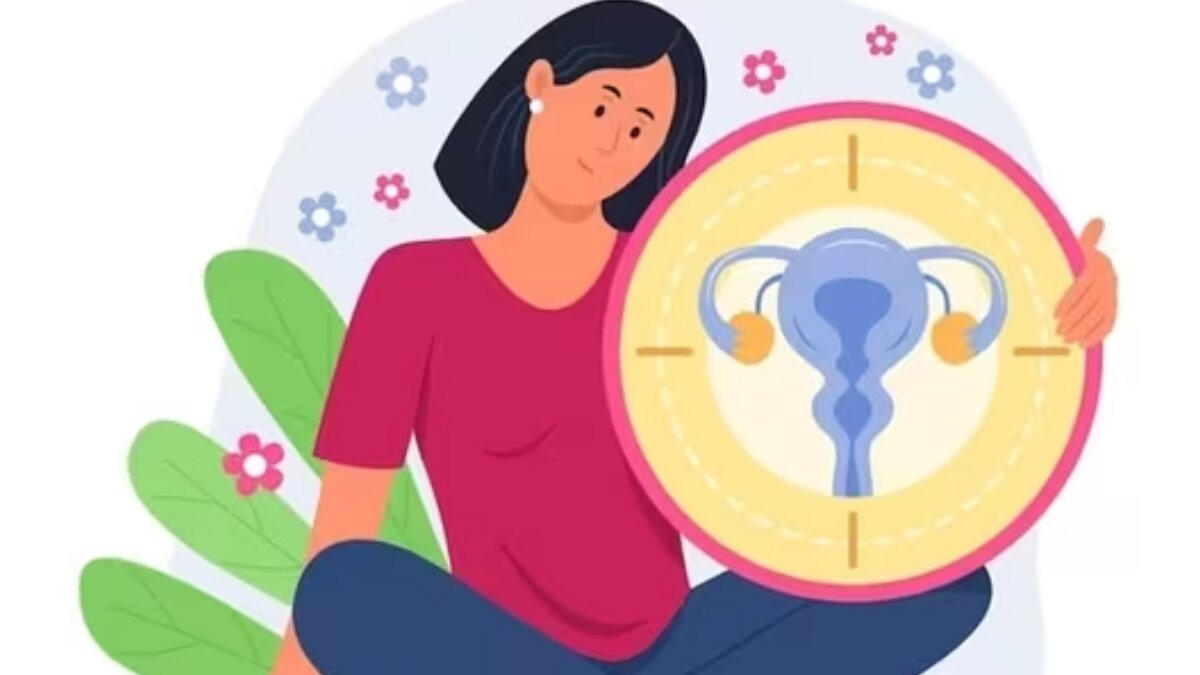
PCOS, also known as polycystic ovarian syndrome, is a common health illness that affects women between the ages of 15 and 49. Its reported global prevalence ranges from 4% to 20%, meaning that between 8 and 40 crore women are affected worldwide. It is claimed to have a high frequency in India, ranging from 3.7% to 22.5%, affecting approximately 1.3 to 7.9 crore women.
Interestingly, a recent Gynoveda survey of 3 lakh Indian women between the ages of 18 and 45 found that 70% of them had menstrual health problems, most notably PCOS, which had a major negative influence on their quality of life and ability to conceive. The gynecologist of HCL Healthcare, Dr. Ruchita Singh, stated in an interview with the news agency HT Lifestyle, “Characterised by hormonal imbalances, irregular menstrual cycles and ovarian cysts, PCOS poses significant risks, potentially leading to infertility, type 2 diabetes and heart disease, making it a major health concern for women globally. OZiva’s nationwide survey for PCOS month found that 65% of Indian women are unaware of PCOS symptoms, highlighting the need for increased awareness.”
Risk involved
- Genetic factors: An increased risk may result from a family history of PCOS.
- Insulin Sensitivity: One important condition that might cause ovulation disruption is insulin resistance, which can raise androgen levels.
- Inflammatory response Higher testosterone production has been associated with chronic low-grade inflammation.
- Weight gain/ Obesity: Being overweight can worsen inflammation and insulin resistance, which can lead to PCOS.
The Symptoms

Understanding the signs and symptoms of polycystic ovary syndrome is essential for management and early intervention, according to Dr. Ruchita Singh.
- Menstrual cycles that are irregular or nonexistent
- Inconsistent or nonexistent ovulation, which makes it difficult to conceive
- Horrible hair growth, also referred to as hirsutism, frequently on the face, chest, back, or buttocks
- Unusual increase in weight
- Thinning of hair on the scalp region
- Acne or greasy skin
The expert added, “Polycystic Ovary Syndrome (PCOS) can lead to various long-term health complications, including an elevated risk of developing type 2 diabetes, heart disease, and high blood pressure. Additionally, PCOS is associated with an increased likelihood of developing certain types of cancer, such as ovarian and breast cancer. Given these potential risks, it’s crucial for individuals who suspect they may have PCOS to seek medical advice. Early diagnosis and a comprehensive treatment strategy can significantly mitigate these risks and improve overall health outcomes.”
Remedies

- Nutritious foods and Frequent Exercise: Eating a well-balanced diet and doing regular exercise can help control weight, lower insulin resistance, and balance hormones.
- Frequent Health Check-ups: Regular medical check-ups can aid in early detection, which can assist control symptoms and avoid consequences.
- Destress: Hormonal balance may be impacted by ongoing stress. Yoga, meditation, and getting enough sleep are examples of helpful practices.
Food habits and lifestyle

- Balanced Diet: Pay attention to a diet high in veggies, lean meats, and entire foods. Lowering sugar and processed food consumption can also aid in controlling insulin levels.
- Frequent Physical Activity: Try to get in at least 150 minutes a week of moderate physical activity.
- Weight management: PCOS symptoms can be alleviated with even a small weight decrease of 5–10%.
- Give Up Smoking: Smoking exacerbates PCOS by raising the risk of metabolic disorders and hormone imbalances.
- Steer Clear the Toxins: Reduce your exposure to endocrine disruptors, which can be present in some plastics and personal hygiene items.