In the realm of cricket, Test matches stand as the epitome of the sport’s endurance and strategy. Lasting over five days, with intense action and strategic maneuvering, these matches provide a true test of skill and resilience for players and teams alike. Amidst the rigor of a Test match, players are granted brief respites in the form of scheduled breaks, with lunchtime being a pivotal interval in the day’s proceedings.
Lunchtime in Test cricket represents more than just a pause for sustenance; it embodies a crucial period for players to rejuvenate their bodies and minds, preparing themselves for the challenges that lie ahead in the match. As the first interval of the day, it offers a much-needed break approximately two hours after the commencement of play.
The duration of the lunch break is standardized at 40 minutes, providing players with ample time to refuel, hydrate, and recuperate. During this period, teams often devise strategies, analyze their performance, and make necessary adjustments to their game plans for the subsequent sessions.
However, the timing of the lunch break is not rigid and can be subject to adjustments based on various factors, including playing conditions and match circumstances. If playing time is lost due to adverse weather conditions or poor visibility, the lunch break may be expedited or delayed. Such decisions are typically made through mutual agreement between the on-field umpires and team captains, ensuring fairness and flexibility in scheduling.
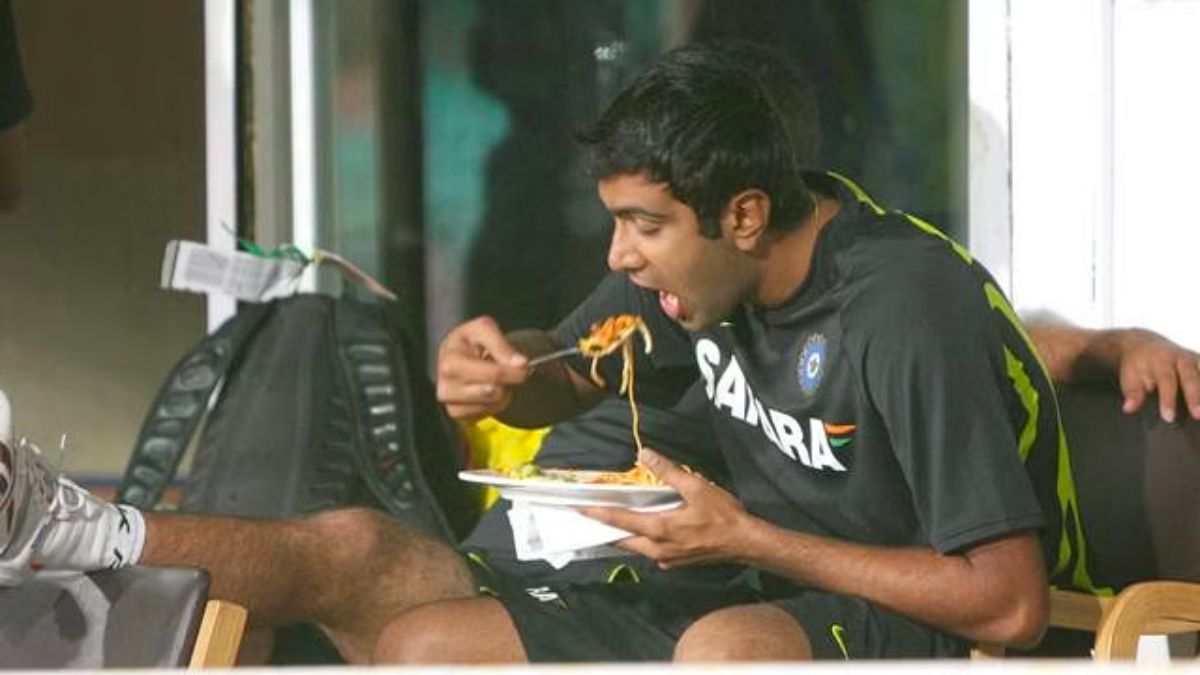
For players, the lunch break represents an opportunity to strike a balance between nutrition and rest. While some may opt for lighter meals to avoid feeling sluggish during the game, others may prefer more substantial fare to sustain their energy levels throughout the day’s play.
According to cricket regulations, if an innings concludes within 10 minutes of the agreed lunchtime, the interval shall commence immediately and last for the stipulated duration. This ensures that teams have sufficient time to transition between innings while adhering to the scheduled breaks.
In essence, lunchtime in Test cricket serves as a pivotal juncture in the rhythm of the game, offering players a chance to recharge and recalibrate before returning to the field. Beyond its practical function, it symbolizes the enduring spirit of the sport, where tradition meets strategy, and every moment counts towards the ultimate pursuit of victory.