
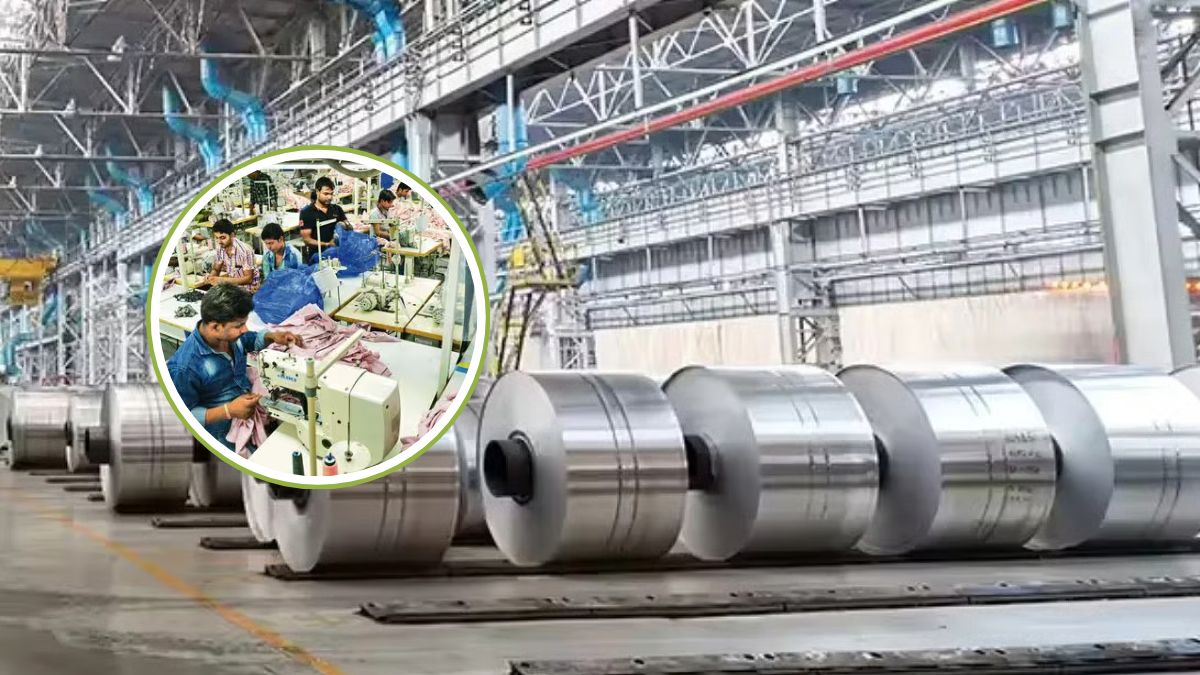
A policy paper released by CUTS International has highlighted a pressing challenge within India’s aluminium industry. It warns that increased input costs, driven partly by the current import duty regime, could jeopardise manufacturing growth even as aluminium demand climbs to 8.3 million tonnes by 2030 from 5.3 million tonnes today.
The study argues that MSMEs—central to India’s manufacturing value chain and a key pillar of Viksit Bharat 2047—are among the worst affected by the existing duty structure.
Maharashtra, with major aluminium operations in Nagpur, Chandrapur, Raigad and Pune, serves as a microcosm of the national challenge. Thousands of MSMEs in the state depend on competitively priced raw aluminium to produce castings, extrusions and industrial components.
But the ecosystem is strained. The 7.5% import duty on primary aluminium keeps prices elevated and undermines the viability of small manufacturers.
“It’s not just about metal—it’s about people and stability,” a senior industry watcher said. “When MSMEs struggle, the ripple affects suppliers, workers and exporters.”
ASMA’s Navendu K. Bharadwaj stressed that a duty reduction would help downstream manufacturers support national development initiatives and high-growth sectors such as construction, infrastructure, auto and electronics.
The report states that the current duty structure makes domestic aluminium costlier than international averages, eroding competitiveness in sectors that rely heavily on aluminium.
Key recommendations include:
• Lowering input duties to help 3,500 MSMEs compete with duty-free finished imports.
• Removing inverted duty structures that disadvantage raw material importers.
• Strengthening employment and export potential through enhanced downstream value addition.
The study concludes that rationalising aluminium duties must be treated as a strategic industrial step to support India’s growth from Maharashtra to Gujarat and from Odisha to Tamil Nadu.