
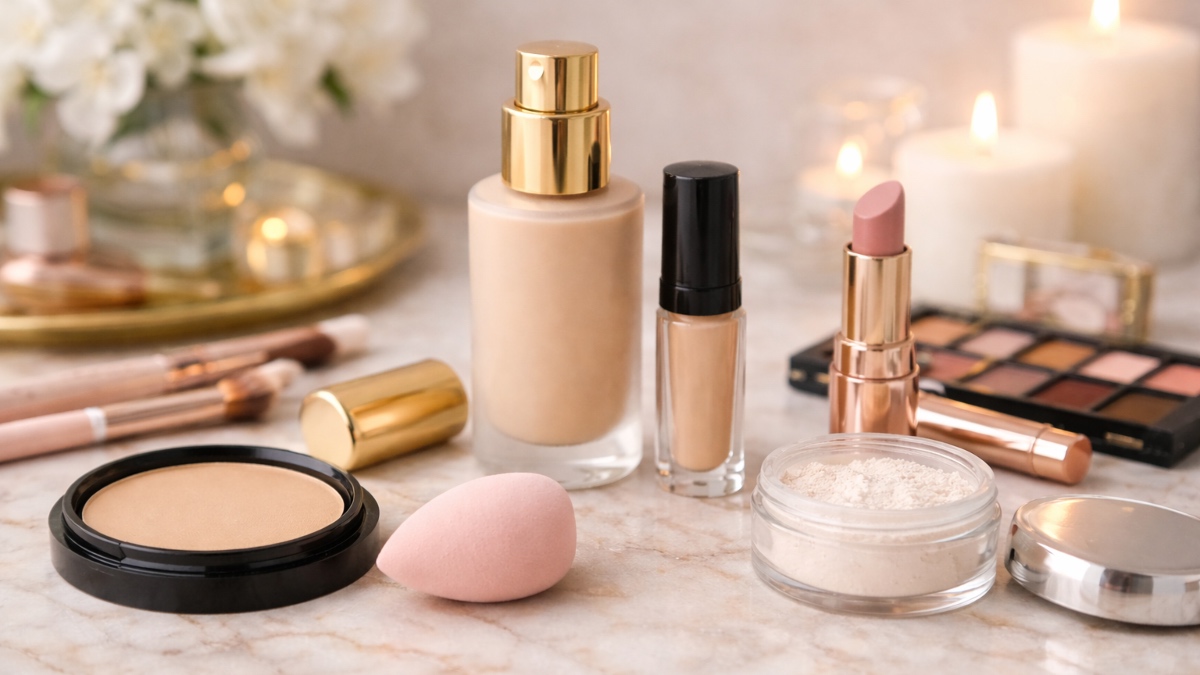
A cakey makeup base is one of the most common beauty concerns, especially in humid weather, long events or everyday wear. From foundation settling into fine lines to makeup looking heavy and textured, a cakey base can ruin even the most carefully planned look.
Searches for “how to avoid cakey makeup”, “foundation looks patchy” and “smooth makeup base tips” spike year-round, proving that this is a universal issue. The good news is that a flawless base doesn’t require expensive products — just the right technique.
Here are five expert-approved tips to help you avoid a cakey makeup base and achieve a natural, skin-like finish.
1. Prep your skin properly before makeup
A smooth makeup base always starts with well-prepared skin. Applying foundation on dry, flaky or unhydrated skin is one of the biggest reasons makeup turns cakey.
Begin with a gentle cleanser, followed by a lightweight moisturiser suited to your skin type. Oily skin types should opt for gel-based hydration, while dry skin benefits from richer creams. Allow the moisturiser to fully absorb before moving to the next step.
Skipping skincare or rushing through it often leads to foundation clinging to dry patches.
2. Use primer — but only where needed
Primer helps smooth the skin and improve makeup longevity, but using too much can actually make the base look heavy. Instead of applying primer all over the face, focus on specific problem areas such as the T-zone, enlarged pores or textured areas.
Choose primers wisely:
-
Hydrating primers for dry skin
-
Mattifying primers for oily areas
-
Blurring primers for visible pores
Using the right primer in the right amount ensures your foundation sits evenly without layering excessively.
3. Apply foundation in thin layers
One of the most effective ways to prevent cakiness is to build coverage gradually. Applying a thick layer of foundation in one go often results in creasing and patchiness.
Start with a small amount and blend it well before adding more only where needed. Light, thin layers melt into the skin better and look far more natural than a single heavy coat.
Remember, coverage can always be added — but removing excess product once applied is far more difficult.
4. Choose the right tools for blending
Your choice of makeup tool plays a major role in how foundation looks on the skin. Brushes, sponges and fingers all create different finishes.
For a natural, non-cakey base:
-
Use a damp makeup sponge to press foundation into the skin
-
Avoid dragging motions, which can lift product
-
Clean tools regularly to prevent uneven application
Pressing and stippling motions help foundation blend seamlessly, creating a skin-like effect rather than a mask.
5. Go easy on powder and set strategically
Over-powdering is a common reason makeup looks dry and cakey. While setting powder is essential for longevity, it should be used sparingly and strategically.
Focus powder application on areas that tend to crease or get oily, such as under the eyes and the T-zone. Avoid layering powder on dry areas or over textured skin.
A light dusting is often enough — heavy powder layers can make even the best foundation look thick.
Final takeaway
A flawless makeup base isn’t about piling on products — it’s about balance, technique and restraint. By prepping your skin well, applying foundation in thin layers and using powder thoughtfully, you can achieve a smooth, radiant base that lasts all day without looking cakey.
These simple habits can transform your makeup routine and help your skin look like skin — just better.