
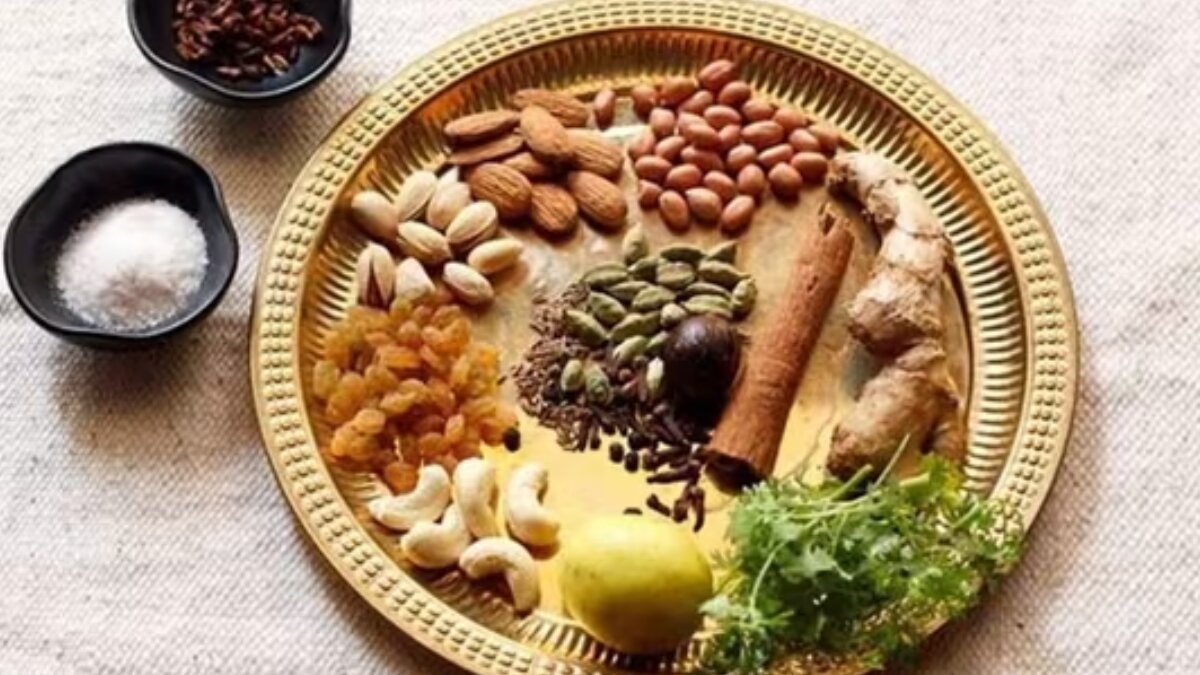
The fasting for Chaitra Navratri is set to start on Tuesday, April 9. The nine-day fasting period is a time to cleanse the body and soul, worship Maa Durga, engage in some spiritual introspection, and revitalize. Nutritious foods such as hydrating fruits and vegetables, vrat-friendly grains, nuts, seeds, and millets, when consumed in moderation and prepared healthily, provide the body with optimal nourishment.
The meals that are required to be eaten during Navratri and the ones that are not should be listed below.

1. Nutritious fruits and veggies: In addition to ensuring that your system has enough fiber, fruits like oranges, grapes, watermelon, muskmelon, cucumber, and tomatoes also include a wealth of vitamins and minerals that help support a healthy immune system and increase your energy levels throughout the day.
2. High-protein meal: A wide variety of protein alternatives are available, ranging from milk and milk-based products like paneer to amaranth and kuttu atta is recommended.
3. Probiotics: In addition to supporting the health of your gut, eating foods like buttermilk and curd high in probiotics helps strengthen your immune system.

4. Millets: A rich supply of vital nutrients, buckwheat, barnyard millet, foxtail millet, and tiny millet can all assist boost energy levels without making overweight gain more likely. They go well with cereal, soup, and pulao, among other foods.
5. Detoxify your body: When fasting, it is best to stick to light, easily digested veggies since these will aid in detoxification and renewal. Bottle gourds, potatoes and pumpkins are easy on the stomach and rich in fiber and other nutrients.
6. Snacking on a calibrated basis is ideal: Peanuts are a significant source of numerous vitamins and minerals, including copper, niacin, folate, manganese, and magnesium. Makhana is an excellent source of calcium, magnesium, phosphorus, and potassium.
Food habits to skip during Navratri
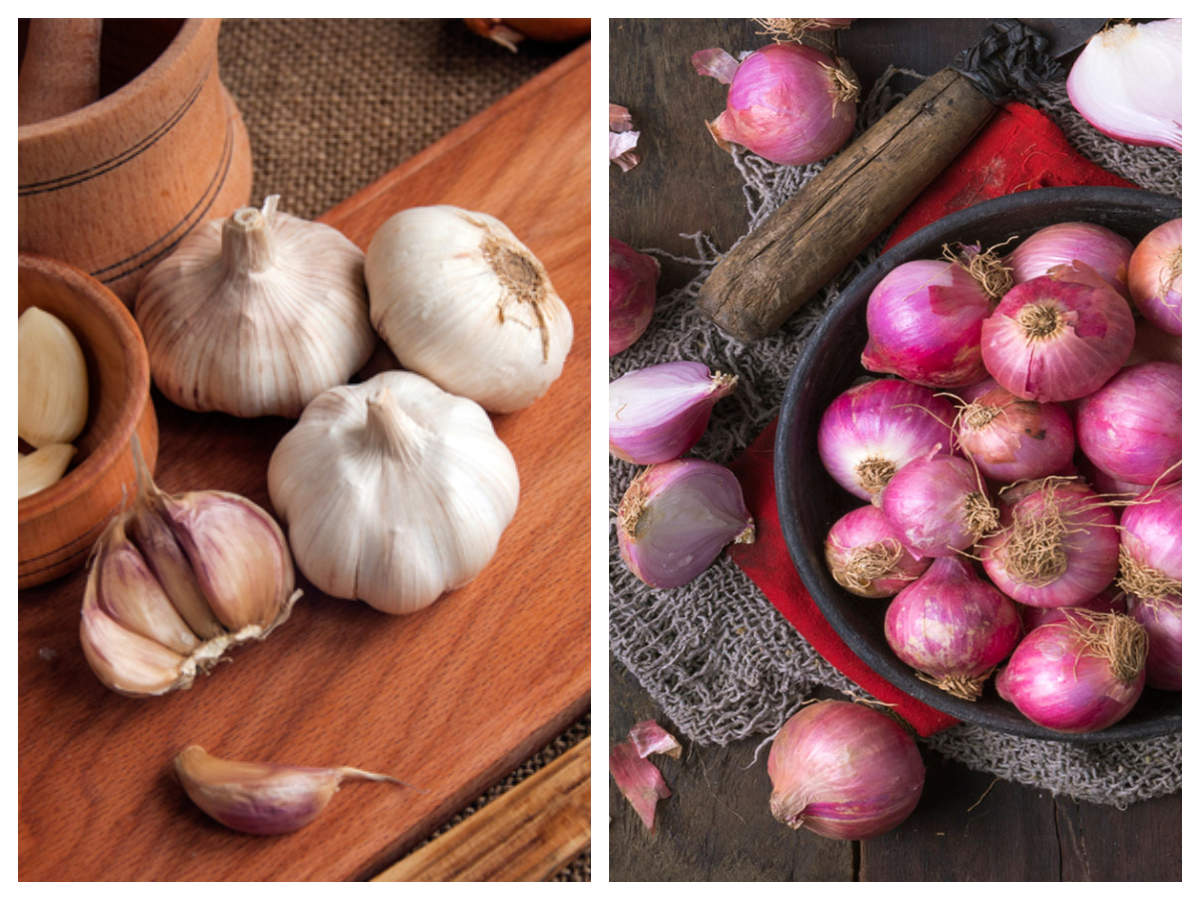
1. Onion and garlic: When preparing vegetable curries, they should not be put to the tempering because they are tamasic. During this time, they should also be avoided in salads.
2. Grains and cereals: During the Navratri fast, grains and cereals like as rice, wheat, and lentils are prohibited. Falahaari dishes like samak ke chawal, kuttu ki roti, amaranth, and water chestnut flour typically take their place.
3. Non-vegetarian meal: Non-vegetarian meals like chicken and mutton are completely forbidden during the Navratri fast, even by non-fasting Hindus. This is because they are considered traditional dishes.

4. Processed food: Deep-fried dishes like singhare ke pakore and kuttu ki puri are popular during Navratri, but rather than cleansing your system, they can overburden your digestive tract and lead to acidity and constipation.
5. Table salt: Table salt is not allowed during the Navratri fast since it is refined; instead, sendha namak is used. Some choose not to use salt at all.