
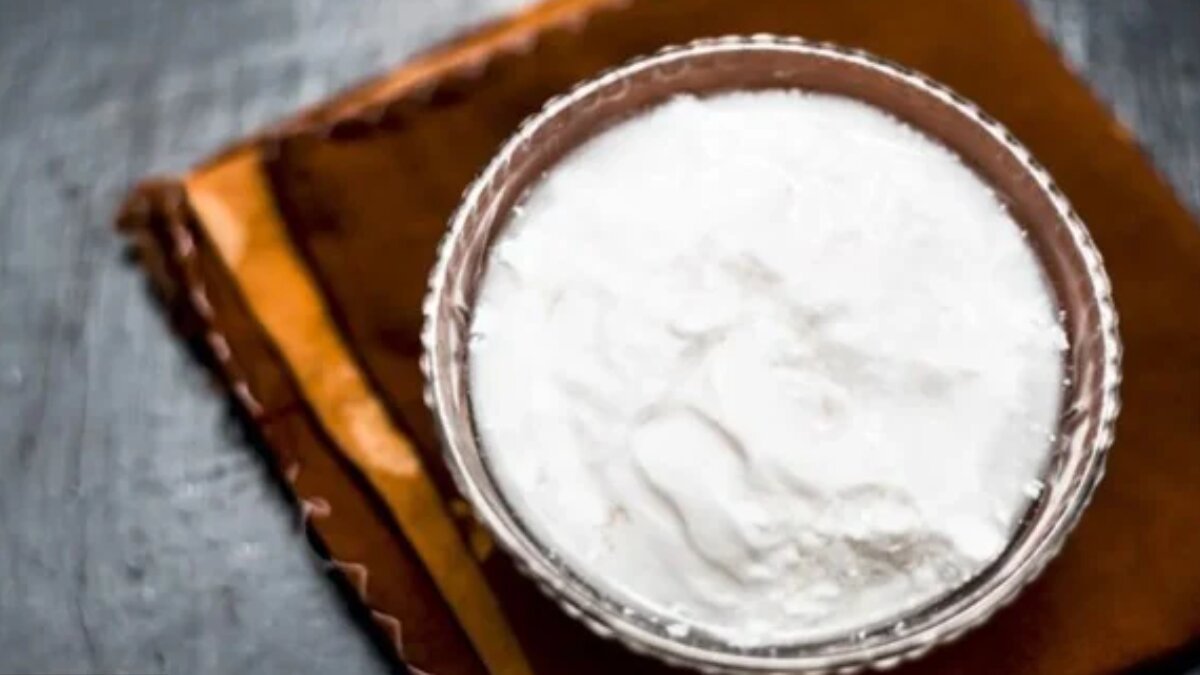
Our bodies become more and more in need of cold, delectable foods as summer approaches. Curd is one such food that a lot of us adore and want for. With a few simple procedures, you can set your curd at home rather than purchasing it from outside.
Here are quick tips shared by MasterChef Shipra Khanna in conversation with Indian Express.
Tips to make curd at home
Make use of fresh milk
For optimal results, start with fresh milk, preferably whole. Ultrapasteurized milk should not be used since it might not set properly.
Quantity preserved for culture
According to Khanna, you can use a tiny bit of fresh yogurt that has been preserved as a starter or culture for the curd.
Sustain the ideal temperature
Warm temperatures, around 110°F (43°C), are ideal for curd setting. According to Khanna, “you can accomplish this by keeping the milk warm or by using a yogurt maker, an oven with a light on, or a thermos.”
Clean container
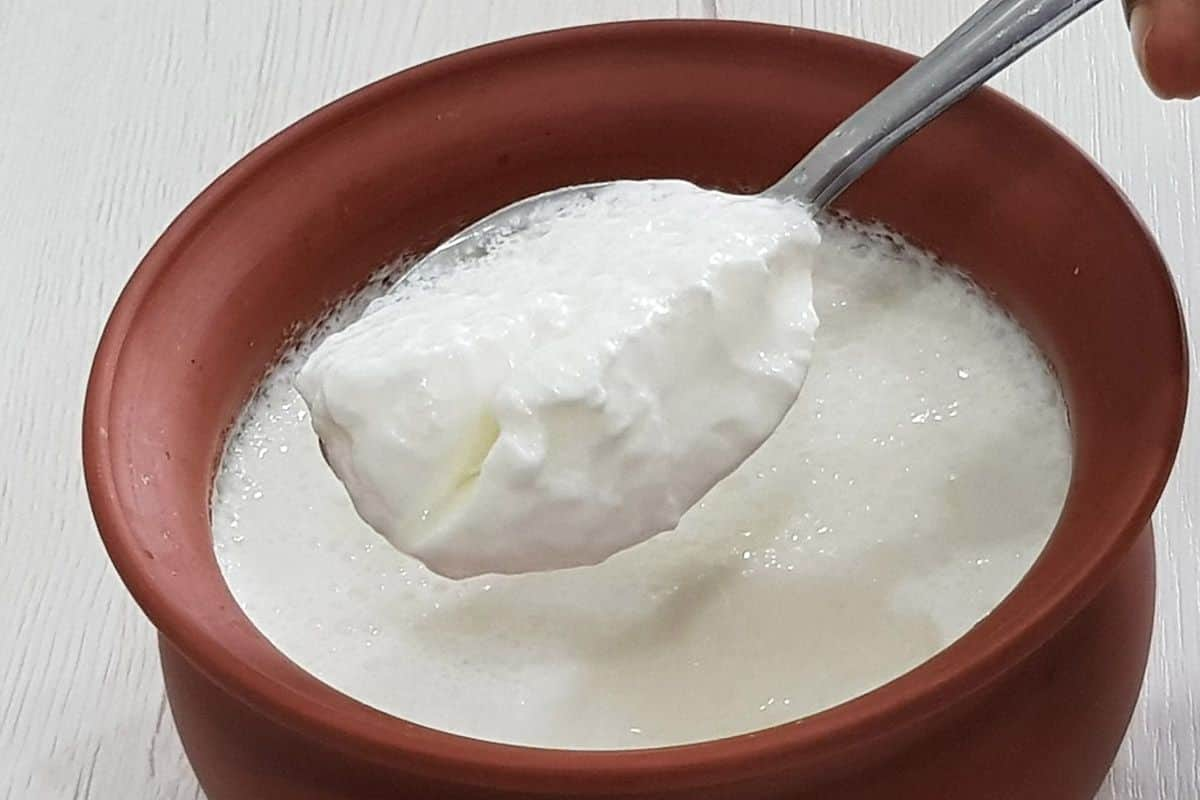
Ideally, Khanna advised using a clay pot covered to stop the formation of undesirable microorganisms.
Be patient
Depending on the temperature and the strength of the starter culture, the curd may take four to twelve hours to set. As it settles, try not to disturb it.
Check the consistency
Check for a thick, creamy consistency in the curd after the incubation period. Khanna stated, “It might take longer to set if it’s too runny.”
After setting, refrigerate
Refrigerate the curd as soon as it reaches the consistency you’ve intended to halt the fermentation process, preserve freshness, and prevent it from going sour.

Save some
Set aside a tiny piece of your homemade curd to serve as a beginning for your next batch before you enjoy it.
Play with flavors
To make interesting variants, don’t be afraid to try different milk kinds (such as goat or sheep milk) or add flavorings (such honey, jaggery, or fruit) after the curd has set.