
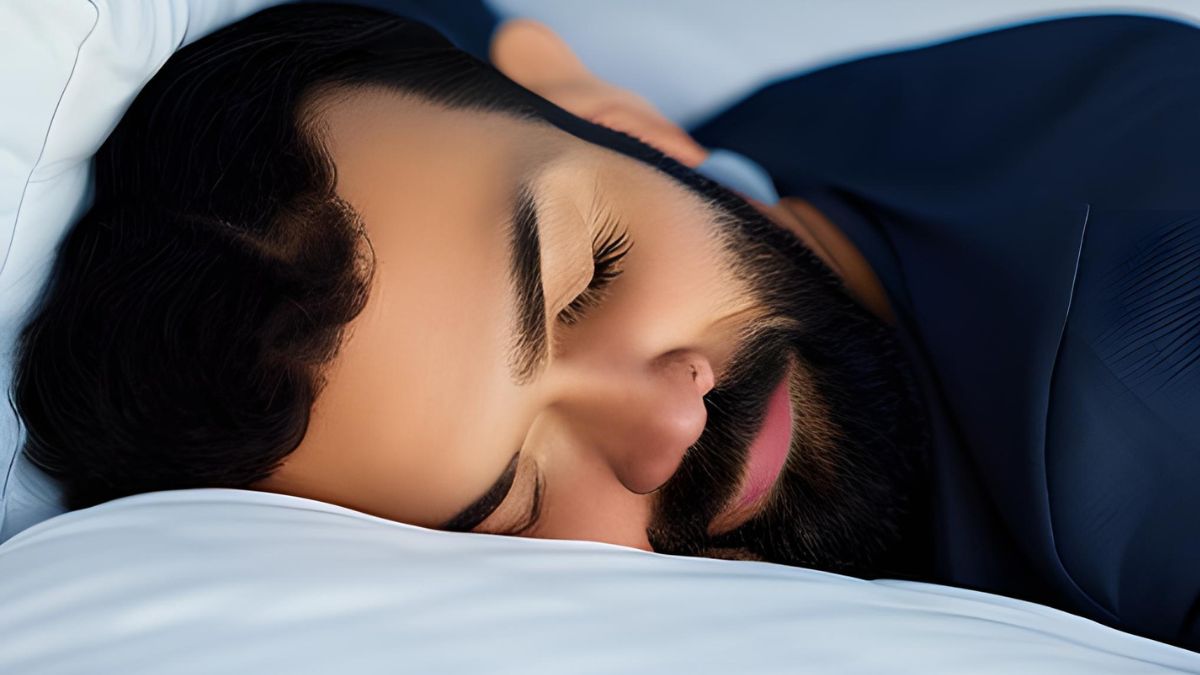
Taking a short nap after lunch, often referred to as a “siesta,” can offer several benefits to your overall health and well-being.
Here are some of its advantages-
Improved Alertness and Productivity
A short nap can help combat the natural afternoon slump in energy and alertness. After lunch, your body’s circadian rhythm naturally dips, leading to decreased focus and productivity. A nap can counteract this dip and help you stay more alert and focused for the rest of the day.
Enhanced Mood
Napping has been shown to positively affect mood by reducing feelings of irritability and stress. It allows your brain to reset and can contribute to a more positive outlook on the day.
Memory Consolidation
Napping can aid in memory consolidation, which is the process of transferring short-term memories to long-term storage. This can improve your ability to retain and recall information.
Cognitive Function
Napping has been linked to better cognitive function, including improved problem-solving skills, creativity, and decision-making. A rested mind tends to perform better in complex mental tasks.
Reduced Risk of Health Issues
Regular short naps have been associated with a reduced risk of certain health issues, such as cardiovascular problems and hypertension. Napping may help lower stress hormones and contribute to overall cardiovascular health.
Increased Energy
A brief nap can give you a quick energy boost, making you feel more revitalized and ready to take on the rest of the day’s activities.
Stress Reduction
Napping can help lower cortisol levels, which are associated with stress. A short nap can provide a break from the demands of the day and help you relax.
Tips for a Beneficial Post-Lunch Nap:
Duration: Aim for a nap of around 20 to 30 minutes. This is generally considered the ideal length to reap the benefits of a nap without entering a deep sleep cycle, which can lead to grogginess upon waking.
Time: Nap timing matters. Napping too late in the day might interfere with your nighttime sleep. Aim for a nap about 4-6 hours after waking up in the morning.
Environment: Find a quiet, comfortable, and dimly lit place to nap. Make sure you’re not disturbed during your nap.
Alarms: Set an alarm to wake you up after your desired nap duration. This helps you avoid oversleeping and feeling groggy.
Hydration: Avoid excessive caffeine intake before your nap, as it might interfere with your ability to fall asleep quickly.
Remember that individual responses to napping can vary, so it’s important to listen to your body and find the nap duration and timing that work best for you. If you’re consistently feeling fatigued after lunch, a short nap might be worth incorporating into your routine to help you feel more refreshed and alert. Therefore, a “siesta” is worth a try!