
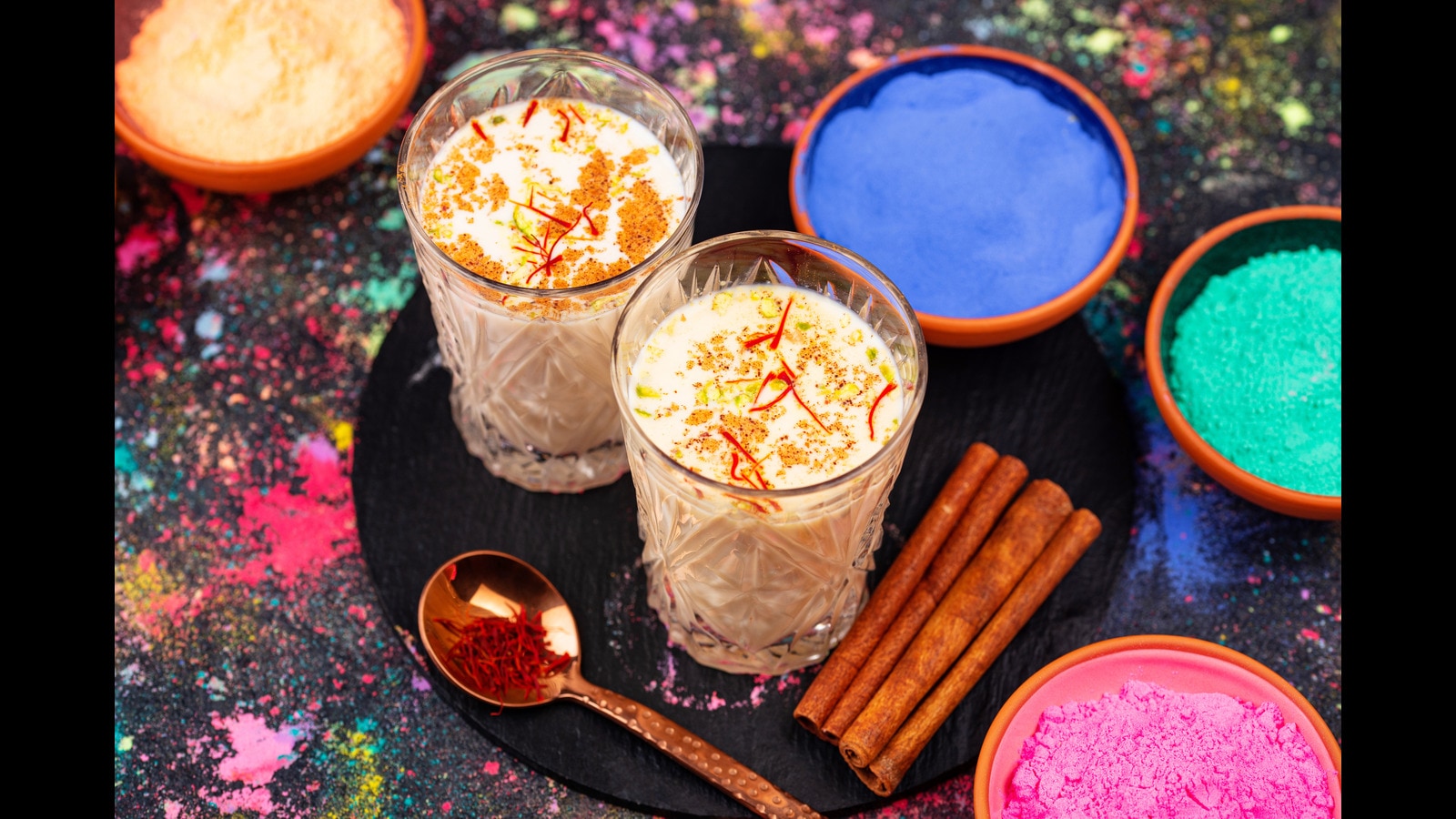
The Holi festivities have started off to a great start, but doctors caution that the recent rise in temperatures may increase the danger of heat-related ailments like heatstroke and dehydration. Holi, a national festival celebrated with colors and water, marks the start of warmer weather. On the other hand, playing Holi outside for a long time without consuming any water can cause dehydration by raising body temperature. To lessen the chance of heat-related ailments during Holi, it is recommended to pair your meals with cool beverages like lassi and thandai. Limit alcohol intake to lower the chance of dehydration.

“Holi, celebrated predominantly in the summer months, coincides with rising temperatures, intensifying the risk of heat-related illnesses such as heatstroke and dehydration. Heatstroke, a severe form of heat illness, occurs when the body’s cooling mechanisms, including sweating and heat radiation, fail to regulate internal temperature effectively. The consequences can be dire, with body temperatures soaring to dangerous levels within minutes, potentially leading to coma and even death if left untreated,” stated Dr Swarupa Deulkar Consultant & HOD Emergency at Ruby Hall Clinic Wanowrie.
Health-related measures for Holi
1. Stay well-hydrated: Reducing the risk of heat-related diseases and preventing dehydration require adequate hydration. Make sure you drink enough water or electrolyte-rich drinks on a regular basis to replace the salts and minerals you lose via perspiration.
2. Choose your time intelligently when holding outdoor events: To minimize exposure to high temperatures and lower the chance of heat-related illnesses, schedule outdoor events during the cooler hours of the day, such as early mornings or late evenings.
3. Use natural and organic Holi colors: These colors are gentler on the skin and eyes and reduce the possibility of allergic reactions and irritation. They are made from flowers, beetroot, and turmeric.
4. Shield your eyes and skin: Liberally apply coconut oil to exposed skin to provide a barrier against colors that will make removal easier and shield the skin from harm. To further lessen the chance of irritation and discomfort, wear goggles or sunglasses to protect your eyes from colored powders and water.

5. Skip wastage of water: Use dry or environmentally friendly alternatives instead of water balloons and guns during Holi celebrations to reduce water waste and pollution.
6. Pick clean playing grounds: To lower the danger of infections and diseases, choose clean and hygienic locations for the Holi celebrations. Steer clear of muddy or dirty regions that could harbor harmful bacteria and pathogens.