
K-dramas have long been celebrated for their storytelling, performances and emotional depth. But beyond plotlines and romance, viewers across the world have begun noticing something else — the lifestyle choices portrayed on screen. From the way characters eat and rest to how they approach relationships and work-life balance, K-dramas present a slower, more intentional way of living that many find aspirational.
These habits, often subtle and understated, are now quietly influencing real-life routines, especially among younger audiences.
The Appeal of Slow Living
One of the most prominent lifestyle shifts inspired by K-dramas is the idea of slow living. Characters are frequently shown taking their time — walking instead of rushing, sitting quietly with a cup of tea, or enjoying meals without distractions.
This contrasts sharply with fast-paced modern routines, making the K-drama lifestyle feel calming and restorative. Viewers increasingly seek to recreate this sense of balance by slowing down daily schedules, avoiding multitasking during meals, and embracing quieter moments at home.
Mindful Eating as a Daily Ritual
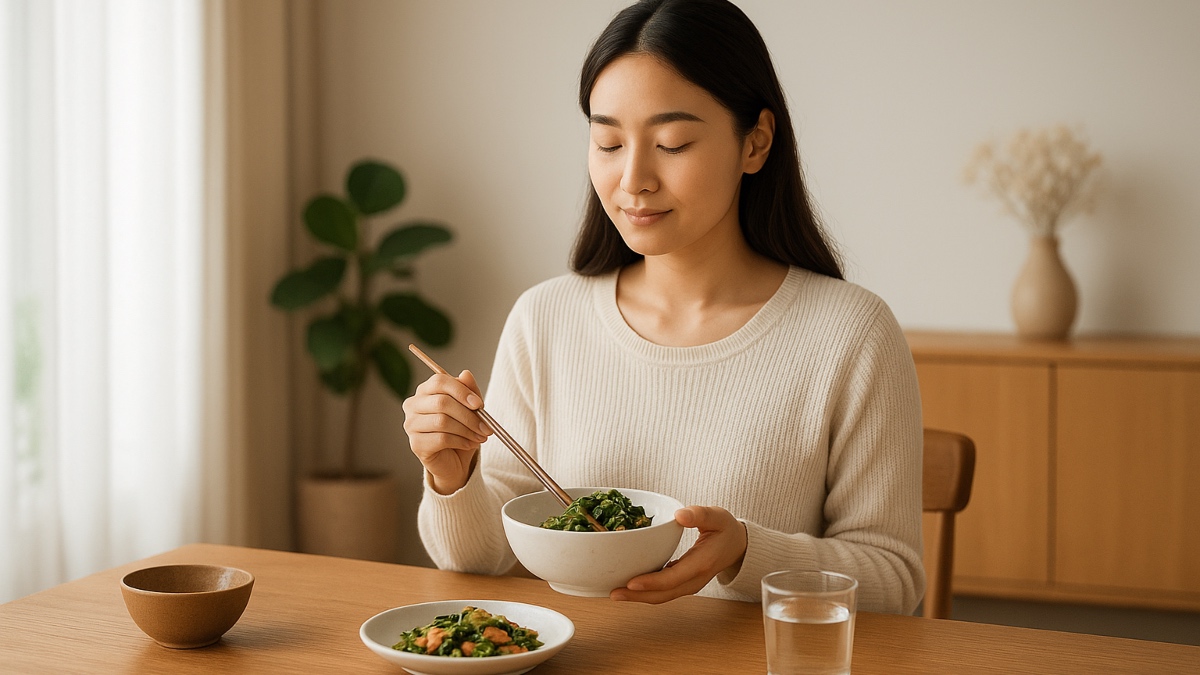
Food plays a central role in K-dramas, not just as sustenance but as a shared emotional experience. Characters often eat together, cook thoughtfully, and savour meals without screens.
This has inspired viewers to practice mindful eating — sitting down for proper meals, focusing on flavours, and treating food as comfort rather than convenience. The emphasis on warm, home-cooked dishes has also encouraged people to return to simple, nourishing meals during busy weeks.
Prioritising Emotional Conversations
K-dramas are known for their emotionally open characters. Conversations about feelings, misunderstandings and personal struggles are portrayed as necessary rather than awkward.
This has resonated deeply with audiences who now place greater importance on emotional communication. The trend reflects a growing willingness to express vulnerability, set boundaries and address issues directly in relationships — habits that contribute to healthier interpersonal dynamics.
Rest Without Guilt
Another noticeable lifestyle habit in K-dramas is the normalisation of rest. Characters are shown sleeping early, taking breaks after long days, or staying in during difficult moments.
This portrayal has influenced viewers to rethink hustle culture. Many now view rest as productive rather than lazy, recognising its role in mental clarity and emotional stability. The idea that slowing down can improve long-term well-being feels increasingly relevant.
Intentional Fashion and Grooming
K-drama characters often dress simply yet thoughtfully, favouring comfort, clean silhouettes and neutral tones. This has inspired a shift towards functional fashion — clothing that feels good and looks polished without being excessive.
Similarly, grooming routines are portrayed as calming rituals rather than vanity-driven tasks. Skincare, haircare and personal grooming are shown as acts of self-respect and self-care, reinforcing mindful habits.
Work-Life Balance as an Ideal
While work stress is a common theme in K-dramas, many storylines emphasise the importance of stepping away from professional pressure. Characters frequently reassess priorities, leave unhealthy workplaces, or redefine success.
This narrative has influenced viewers to reflect on their own work-life balance, encouraging them to value personal well-being alongside ambition.
Why These Trends Feel So Relatable
What makes K-drama lifestyle habits appealing is their realism. They are not portrayed as unattainable ideals but as everyday practices rooted in intention and care.
In a world marked by constant digital engagement and stress, these habits offer a comforting alternative — one that prioritises presence, emotional health and balance.
A Lifestyle Shift, Not a Trend
K-drama inspired habits are less about imitation and more about mindset. They encourage viewers to slow down, communicate better, eat mindfully and rest without guilt.
As more people adopt these practices, it becomes clear that K-dramas are influencing lifestyle choices not through spectacle, but through subtle, relatable storytelling that mirrors what many seek in real life — calm, connection and meaning.