
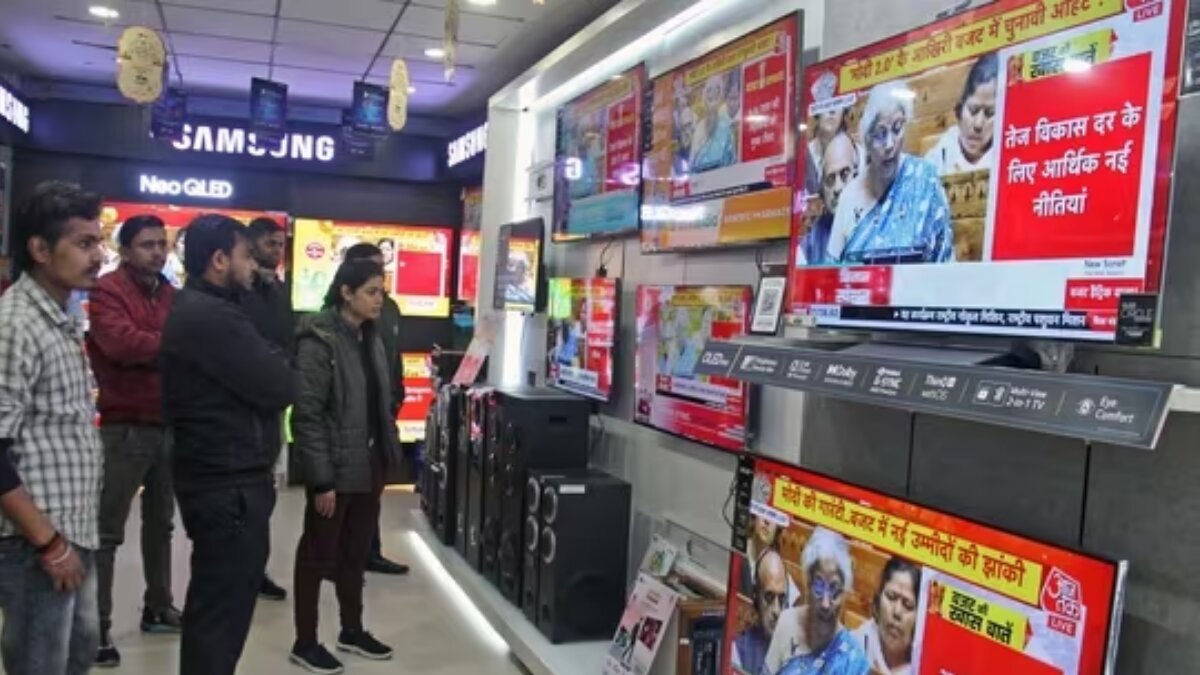
In an Interim Budget focused on reform, Finance Minister Nirmala Sitharaman raised capital expenditures by 11% for the upcoming fiscal year to maintain the world-class economic growth rate while reducing the deficit. The Interim Budget also provided relief to the average citizen from contested small tax demands of up to ₹25,000.

During her vote on account or interim budget presentation for the 2024–25 fiscal year, Nirmala Sitharaman did not suggest modifying the rates of income tax for people and corporations, nor the amount of customs duty.
She summarized the accomplishments of the Narendra Modi administration in the last ten years, which have turned India from a “fragile” economy to the fastest-growing major economy in the world, in less than an hour-long budget address.
Primary highlights from the Budget
- Social justice primacy: The Prime Minister will prioritize the advancement of the four main castes: the “Garib” (poor), the “Mahilayen” (women), the “Yuva” (youth), and the “Annadata” (farmers).
- Looking out for “Annadata”: PM-KISAN SAMMAN 11.8 crore farmers received financial support under Yojana.
- PM Awas Yojana (Grameen): Women from rural areas received more than 70% of the dwellings awarded under the PM Awas Yojana (Grameen). The PM Awas Yojana (Grameen) will soon reach its goal of three crore dwellings, notwithstanding Covid difficulties. In the following five years, two crore more homes will be occupied.
- Rooftop solar heating and free power: 300 units of free electricity per month will be provided to 1 crore homes through rooftop solarization. Savings of between $15,000 and $18,000 per household is anticipated each year.
- Ayushman Bharat scheme: All ASHA employees, Anganwadi workers, and caregivers would be eligible for healthcare coverage under the Ayushman Bharat program.
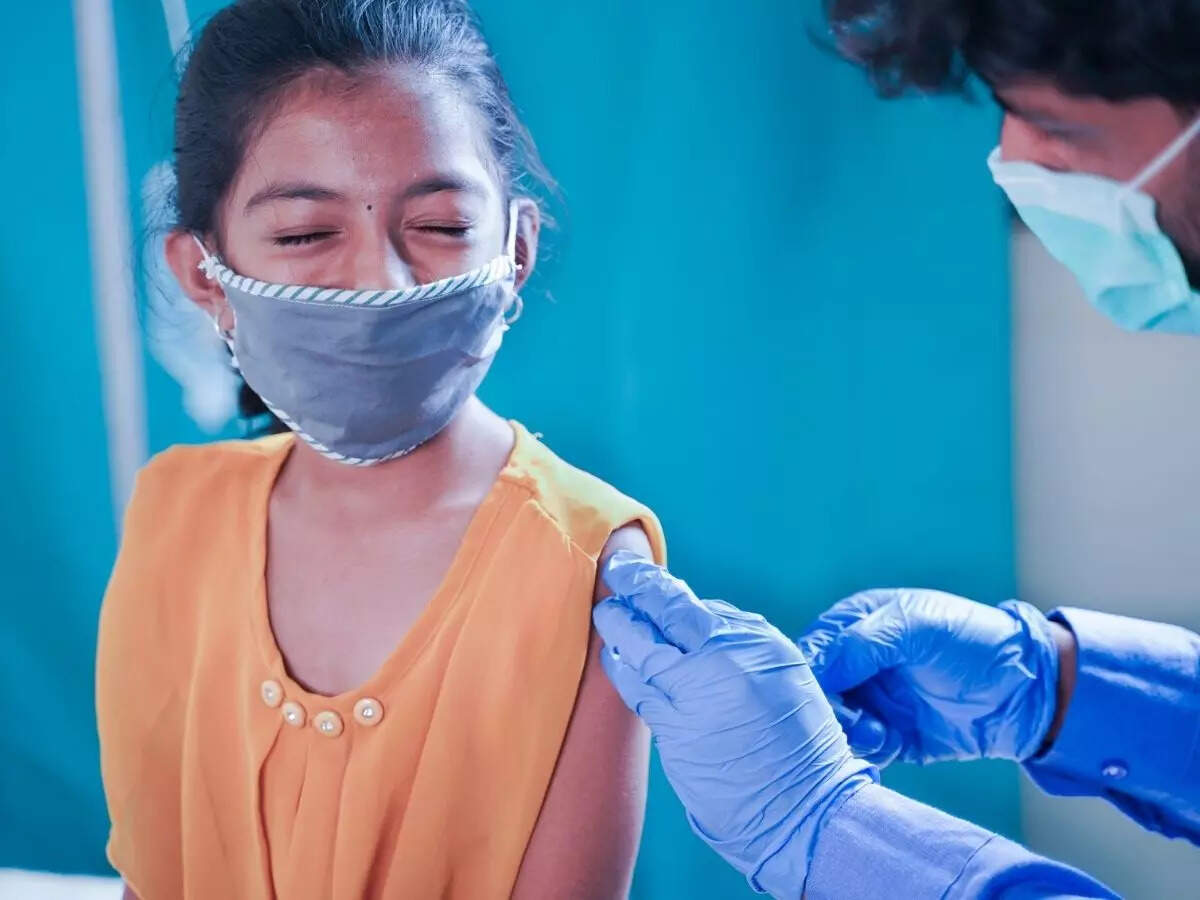
- Vaccination programme for girls: Girls aged 9 to 14 will be the target audience for the government’s cervical cancer vaccine campaign, which will also combine the mother and child healthcare programs into a single initiative.
- Farming and food processing: 38 lakh farmers have benefited from the Pradhan Mantri Kisan Sampada Yojana, which has also created 10 lakh jobs.
- Rate of Direct taxes: Sitharaman suggested keeping the current rates of taxation for direct taxes.
- Indirect taxes: The FM suggested keeping import duties and indirect taxes at the current tax rates.
- Income tax rate: Up from ₹2.2 lakh in the 2013–14 fiscal year, there is no tax obligation on income up to ₹7 lakh.