
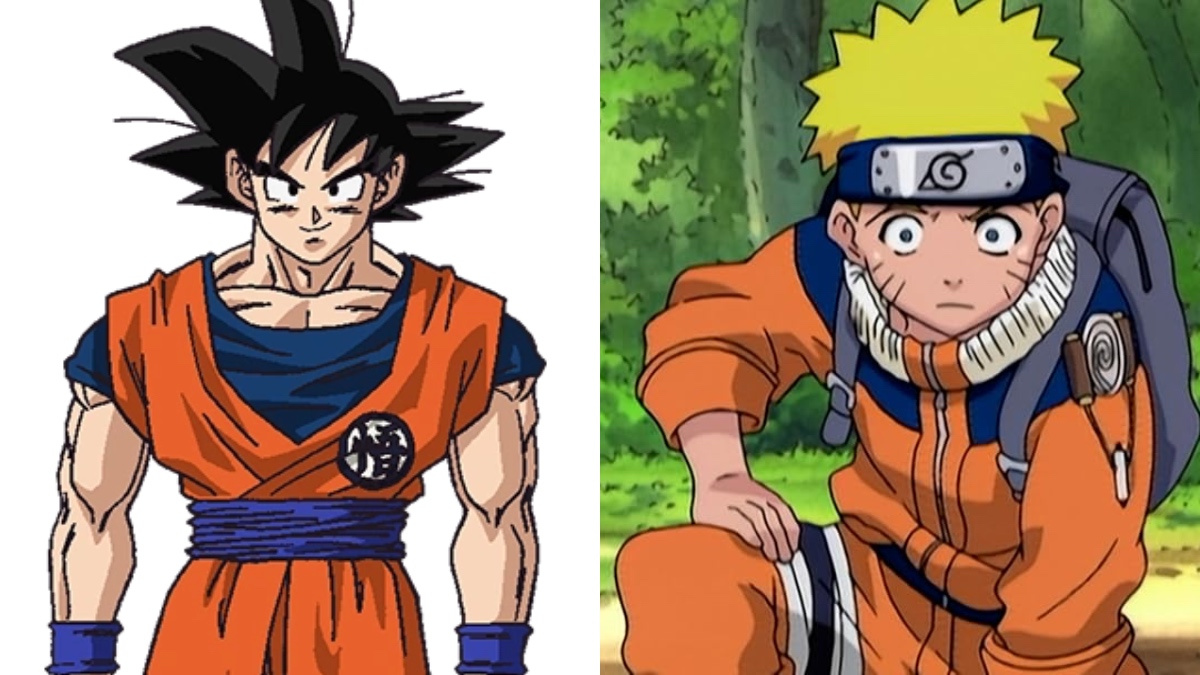
Anime has moved far beyond being a niche interest in India. From school classrooms to office conversations and social media trends, names like Goku, Naruto and Luffy are now part of everyday pop culture. For many Indians curious about anime but unsure where to begin, understanding its most famous characters is often the easiest entry point.
This beginner’s guide explains who these iconic anime characters are, where they come from, and why Indian audiences connect with them so deeply.
Why Anime Is Growing Rapidly in India
The rise of OTT platforms such as Netflix and Crunchyroll has made anime easily accessible in India, while dubbed versions and subtitles have removed language barriers. However, accessibility alone does not explain its popularity. Indian viewers are drawn to anime because its storytelling focuses on emotion, struggle, discipline and personal growth — themes deeply rooted in Indian culture.
Most newcomers first encounter anime through its characters, many of whom have journeys similar to heroes from Indian mythology and cinema.
Goku (Dragon Ball Z): The Anime Character Every Indian Knows
For beginners, Goku is often the first name that comes to mind. Thanks to repeated television broadcasts in the early 2000s, Dragon Ball Z introduced anime to millions of Indian households.
Goku’s appeal lies in his simplicity and discipline. He constantly trains, respects his mentors and never stops improving — qualities that Indian audiences admire. His story of rising from humble beginnings to becoming a protector of worlds makes him an ideal starting point for anyone exploring anime for the first time.
Naruto Uzumaki (Naruto): The Underdog Story That India Relates To
Naruto Uzumaki is one of the most searched anime characters in India, particularly among young viewers. His story follows an outcast child who dreams of earning respect through hard work and perseverance.
Indian audiences connect strongly with Naruto’s emotional journey. His belief in friendship, loyalty and self-belief mirrors the values many Indians grow up with. For beginners, Naruto offers an accessible mix of action, humour and emotional storytelling.
Monkey D. Luffy (One Piece): Freedom, Dreams and Friendship
For those new to anime, Luffy represents the adventurous spirit of the genre. As the lead character of One Piece, Luffy dreams of becoming the Pirate King — not for power, but for freedom.
Indian viewers appreciate Luffy’s strong sense of friendship and his refusal to abandon his principles. His crew operates like a family, which makes his story especially appealing to audiences who value emotional bonds.
Light Yagami (Death Note): A Beginner’s Entry into Dark Anime
Not all anime is light-hearted. Light Yagami from Death Note introduces beginners to anime’s darker, psychological side. The series explores morality, power and justice, themes that resonate strongly with Indian audiences who enjoy debate-driven storytelling.
Death Note is often recommended as a starter anime for older beginners because of its fast pacing and gripping narrative.
Levi Ackerman (Attack on Titan): Discipline, Duty and Strength
Levi Ackerman has become one of the most popular modern anime characters in India. Known for his quiet strength and discipline, Levi appeals to audiences who respect restraint over loud heroism.
Attack on Titan introduces beginners to anime’s more complex storytelling, dealing with politics, war and moral ambiguity, making it a compelling choice for mature viewers.
Why These Anime Characters Connect With Indian Audiences
What makes anime especially appealing to Indian beginners is its emotional realism. Characters struggle, fail and grow over time. Their journeys are long and layered, much like characters in Indian epics and long-format storytelling.
Anime also emphasises mentor-student relationships, inner battles and personal responsibility — concepts deeply familiar to Indian audiences.
How Beginners Can Start Watching Anime
For those new to anime, starting with character-driven series like Dragon Ball Z, Naruto or Death Note is often recommended. These shows provide clear storytelling, strong emotional arcs and memorable characters that help viewers understand what anime truly offers.
With increasing availability of dubbed versions and subtitles, anime has become more accessible than ever for Indian viewers.
Anime in India: From Curiosity to Cultural Phenomenon
Anime characters are no longer just animated figures — they are cultural icons. Their names trend online, their dialogues become memes, and their stories inspire millions.
For beginners, understanding these iconic characters is the first step into a world that blends imagination, emotion and storytelling in a way few other mediums can.