

Milk has been a staple beverage for centuries, touted for its creamy taste and perceived health benefits. But with so many dietary choices available today, is a daily glass of milk still the key to strong bones and good health? According to Indian Express, Ekta Singhwal, a dietician at Ujala Cygnus Group of Hospitals suggested some measures on mindful consumption of milk.
Merits
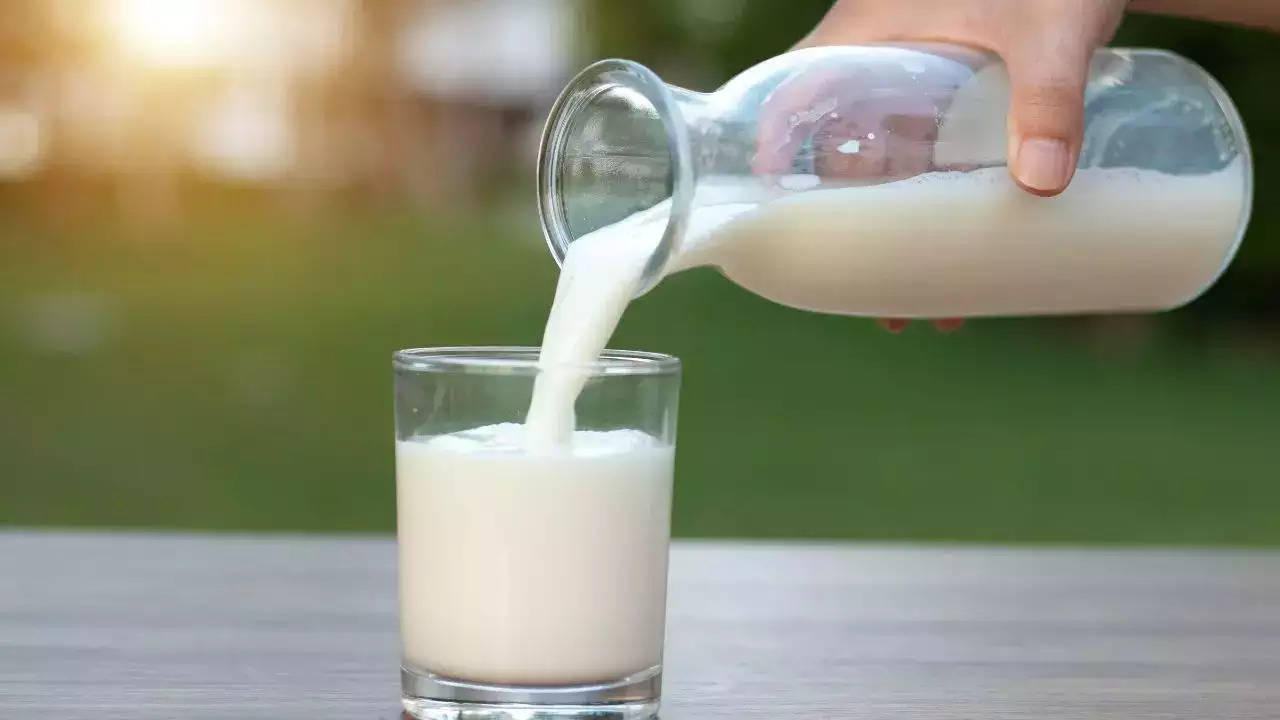
A regular glass of milk provides a comprehensive combination of vital elements that enhance general health. As suggested by Singhwal:
Bones health and strong teeth: Calcium and vitamin D, two essential nutrients for the development and upkeep of healthy bones and teeth, are found naturally in milk.
Muscle health: Milk’s high protein concentration is essential for both muscle building and repair, which keeps you feeling energized and powerful.
Immune System: Vital vitamins and minerals, such as vitamin B12, found in milk help maintain a strong immune system and your body’s ability to fight off disease.
Hydration: Despite what many people think, milk helps you stay hydrated by adding to your normal fluid consumption.
Decreased Risk of Chronic Illness: Research indicates that frequent milk drinking may be associated with a decreased risk of long-term illnesses like cardiovascular disease and osteoporosis, a disorder that weakens bones.
Better muscular Function: Milk’s protein can aid in enhancing the strength and function of muscles, which is especially advantageous for people who are physically active or who want to maintain their muscular mass.
Moderate consumption

Although milk has several health advantages, Singhwal warned against the possible drawbacks of excessive consumption:
Lactose intolerance: Some people are intolerant to lactose, a sugar present in milk, because they lack the enzyme lactase. Digestionary distress such as gas, bloating, and diarrhea may result from this.
Allergies: Reactions to the proteins found in milk can also result in milk allergies. Rashes, hives, or even anaphylaxis—a severe allergic reaction that needs to be treated right away—can be symptoms.
Presence of Saturated Fat: There is saturated fat in whole milk. Although not intrinsically harmful, consuming too much of it can increase the risk of heart disease, particularly in people who already have heart problems or have high cholesterol.