

A recent study that was published in the Journal of the American Heart Association found that sitting for extended periods of time without rests can increase the chance of dying young by thirty percent. Although a sedentary lifestyle has traditionally been linked to an increased risk of death, this study found that it had no beneficial effects on early mortality risk. Individuals who are sedentary for extended periods of time, whether for employment or other purposes, may be susceptible to various health conditions.
In an interview with Hindustan Times Digital, Dr. Rakesh Gupta, Senior Consultant in Internal Medicine at Indraprastha Apollo Hospitals, describes how prolonged sitting can lead to a variety of health problems, including diabetes, weakening of the bones, heart disease, and muscle degeneration.
1. Proneness to obesity and increased blood sugar levels
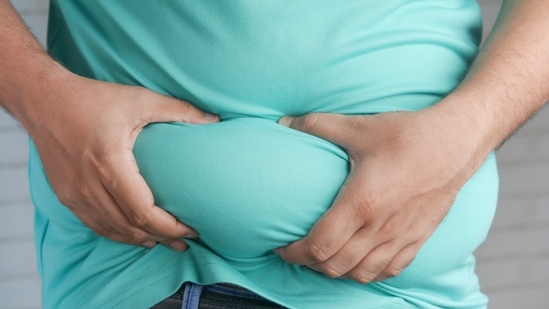
The lipoprotein lipase enzyme, which breaks down lipids, is slowed down by prolonged sitting. Blood sugar and triglycerides rise when this enzyme is less active. Getting up every thirty to sixty minutes aids in controlling body weight, blood sugar, and lipoprotein lipase activity.
2. Deterioration of muscle health
Sitting over extended periods of time inhibits muscle contraction and activation, which speeds up the breakdown of muscle protein. Regular standing or activity breaks help to keep muscles from withering away. Muscle mass is also preserved by doing light strength exercise two or three times each week.
3. Irregular blood circulation
Prolonged sitting lowers blood flow to the legs and heart, raising the risk of blood clots and varicose veins. Leg muscles that contract and contract aid in the heart’s blood pumping process. Venous blood return is also aided by light walking.
4. Discomfort in the lower back, neck or painful sensation

Lower back discomfort is caused by prolonged static postures from prolonged sitting, which strain the intervertebral discs, joints, ligaments, and muscles of the spine. Sitting frequently results in poor neck postures, which can cause cervical pain and strain in the muscles. You can prevent overusing particular muscle groups by adopting different postures and taking regular standing pauses.
5. Probable indication of a heart disease
Cardiovascular incidents are associated with a 147% increase in time spent inactive. Even in non-obese individuals, it causes fat deposits around essential organs and blood arteries, which can result in heart disease and arterial stiffness. 150 minutes a week of moderate exercise is beneficial for heart health.
6. Osteoporosis
Sitting inhibits the loading and weight-bearing on the hip and leg bones that osteoblasts that create bones need to be stimulated. Osteopenia and osteoporosis are risks associated with this steady reduction of bone mineral density. Bone loading is achieved by weight training and moderate impact aerobics several times a week.
7. Proneness to fatigue

Cellular signals that facilitate the breakdown of sugar and fat to produce energy are diminished by sedentary behavior. Additionally, sitting limits oxygen and blood flow to the muscles. Maintaining high energy output requires movement every 30 minutes.
8. Causes varicose veins
Blood pools in leg veins as a result of poor blood return from the legs as a result of gravity and extended sitting. This causes veins to enlarge over time, resulting in painful, enlarged varicose veins. Light contractions of the leg muscles aid in the heart’s blood return. Steer clear of crosses