
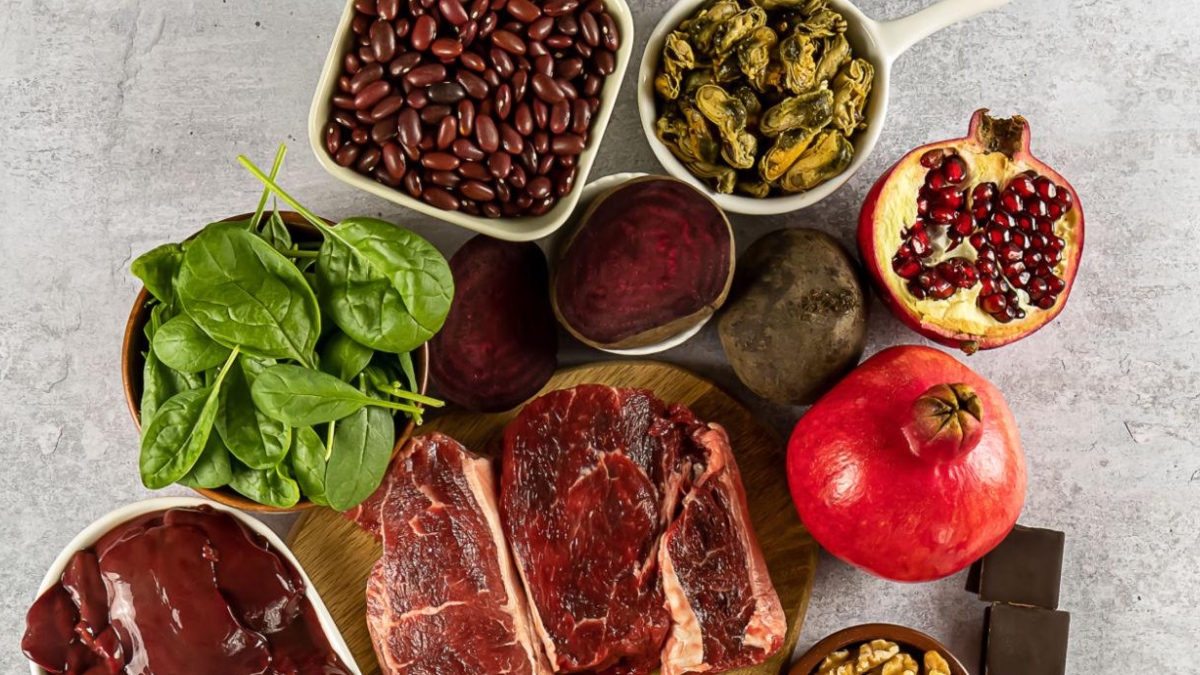
Maintaining healthy haemoglobin levels is essential for transporting oxygen throughout the body and sustaining energy levels. Low haemoglobin, often linked to iron deficiency, can result in fatigue, dizziness, and reduced immunity. While medical advice is essential in serious cases, nutrition plays a vital role in supporting haemoglobin production. Here are seven widely recommended food items known to help improve haemoglobin levels when consumed regularly as part of a balanced diet.
Spinach And Other Leafy Greens
Spinach, fenugreek, and kale are rich sources of non-heme iron, a key component required for haemoglobin synthesis. These greens also contain folate, which supports red blood cell formation. Cooking leafy greens lightly can help improve iron absorption.
Beetroot
Beetroot is widely associated with blood health due to its iron, folic acid, and antioxidant content. Regular consumption in salads or juices is often recommended for individuals seeking to improve haemoglobin levels naturally.
Pomegranate
Pomegranates contain iron, vitamin C, and antioxidants. Vitamin C enhances iron absorption, making pomegranate particularly effective when paired with iron-rich foods.
Dates And Raisins
Dried fruits such as dates and raisins are concentrated sources of iron and natural sugars. They also provide energy and support healthy blood circulation.
Legumes And Pulses
Lentils, chickpeas, kidney beans, and soybeans are excellent plant-based sources of iron and protein. They are especially beneficial for vegetarians and vegans.
Red Meat And Liver
Animal-based iron, known as heme iron, is more easily absorbed by the body. Lean red meat and liver are among the most efficient dietary sources for boosting haemoglobin.
Eggs
Egg yolks contain iron and high-quality protein, supporting red blood cell production. Including eggs in moderation can help maintain healthy haemoglobin levels.
Why Diet Matters
A consistent, nutrient-dense diet combined with adequate vitamin C intake supports better iron absorption. However, dietary changes should complement medical guidance where required.