

In a world when making environmentally responsible decisions and following a green diet are closely related, eating green has become a strong means of nourishing your body and the planet.
The founder of Smiling Tree, Dr. Mukesh Kwatra, stated in conversation with HT Lifestyle, “The goal of green eating is to minimise the negative impact of food production and consumption on the planet while promoting sustainable agricultural practices and ethical treatment of workers. It encompasses a range of principles and practices that prioritise environmental stewardship, biodiversity conservation and the well-being of both present and future generations.”
Veggies packed with nutrients 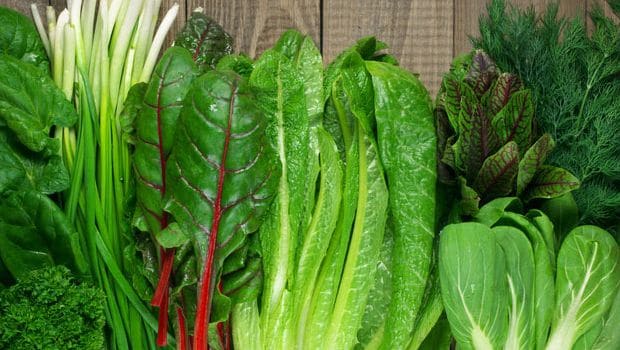
Dr Mukesh Kwatra recommended, “Green vegetables like kale, spinach, broccoli and Swiss chard are packed with vitamins, minerals, and antioxidants that support overall health. These leafy greens are known to boost the immune system, improve digestion and contribute to optimal cardiovascular function. Numerous studies have shown that plant-based diet is associated with a reduced risk of chronic diseases such as heart disease, type 2 diabetes, certain types of cancer, and hypertension. It is also lower in calorie density and higher in fiber, which can support weight management and help reduce the risk of obesity.”
Plant-Based diet for protein intake and overall cardiac health
Dr Mukesh Kwatra stated, “Eating green often means incorporating more plant-based proteins into your diet. Legumes, nuts, seeds and tofu are excellent sources of protein that can replace or complement animal-derived proteins. Plant-based proteins not only support muscle health but also tend to be lower in saturated fats, promoting heart health and reducing the risk of certain chronic diseases.”

In discussing the additional advantages of a plant-based diet, he further pointed out –
- Long-term viability: Eating a green diet benefits the environment in addition to your own health. A significant source of greenhouse gas emissions, livestock raising necessitates a lot of land, water, and food resources.
- Choice of sorted food: Selecting food that is produced through ecologically sustainable methods, such as organic farming, agroecology, and permaculture, is known as sustainable sourcing. This can be done by buying items certified by organizations like USDA Organic, supporting regional farmers, and looking for food that has been produced with the least negative impact on the environment.
- Minimizing Carbon Footprint: Another approach to reduce your carbon footprint in your diet is to use seasonal and locally sourced produce. Long-distance food transportation adds a substantial amount to carbon emissions.
- Reducing Food Waste: Part of eating sustainably is being aware of food waste. Plan your meals, make inventive use of leftovers, and compost organic waste to reduce the amount of wasted food that ends up in the environment.
- Seafood Decisions: It’s important to make sustainable seafood decisions if you eat seafood. Fish populations have decreased as a result of overfishing and harmful fishing methods, which have also damaged marine ecosystems.
- Water preservation: Generally speaking, the production of meals derived from animals uses more water than that of plants. One way to help conserve water is to eat a green diet high in fruits, vegetables, and grains.
- Intelligent choice of food items: Preferring foods that are produced in a way that conserves biodiversity and reduces the use of dangerous chemicals and pesticides

Dr Mukesh Kwatra added, “It is possible to incorporate both vegetarian and non-vegetarian food into one’s diet while prioritizing environmentally friendly practices. The eco-friendliness of non-vegetarian food is influenced by a range of factors, and there are opportunities to make more environmentally responsible choices within this category. Prioritizing sustainably sourced, locally produced, and ethically raised non-vegetarian foods, and consuming them in moderation, can help minimise the environmental impact associated with their production and consumption.”
He wrapped up, “Additionally, incorporating more plant-based foods into one’s diet, even if not fully vegetarian, can also contribute to reducing the overall environmental footprint of one’s food choices. Making conscious choices about what you eat and where your food comes from can create a positive ripple effect, fostering a healthier planet for future generations. Overall, green eating is a holistic approach to food consumption that takes into account the interconnectedness of our food choices with environmental, social, and ethical considerations.”