
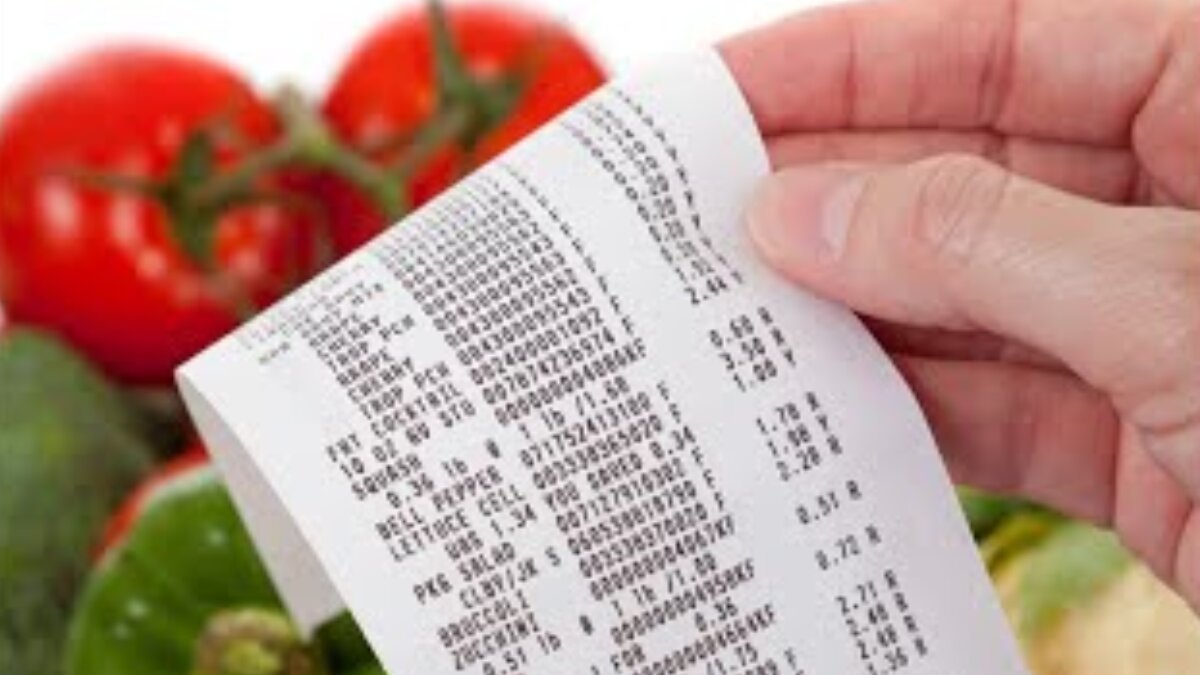
One must refrain from touching the paper receipts received after dining at your favorite restaurant or shopping. “The shiny, plasticky paper that is used for receipts is called thermal paper and it uses the application of heat to print characters,” said Mugdha Pradhan, functional nutritionist, CEO and founder at iThrive.
“Both BPA and BPS are endocrine disruptors, meaning they can interfere with the hormone system in humans,” Dr Aniket Mule, consultant internal medicine at Wockhardt Hospitals, Mumbai said in conversation with Indian Express.
“This is because the harmful effects of such toxins have been very well documented in the medical literature by now. But little do people know one of the biggest sources of BPA and other harmful phenols are these printed receipts,” added Pradhan.
Risks involved
)
“Studies show that just touching them briefly can raise levels of BPA in your bloodstream. It’s also been shown that cashiers have significantly higher levels of BPA and BPS. The fetuses of pregnant women who work in jobs that involve touching toxic receipts may be at alarmingly high risk,” Pradhan cautioned.
According to Dr. Mule, exposure to these chemicals has been connected to a number of health concerns, including cancer, cardiovascular illnesses, and problems with reproduction and development. “For individuals who have a habit of putting random receipts in their mouth, the risks are heightened as direct ingestion of these chemicals could lead to more immediate health consequences.”
Precautionary Measures
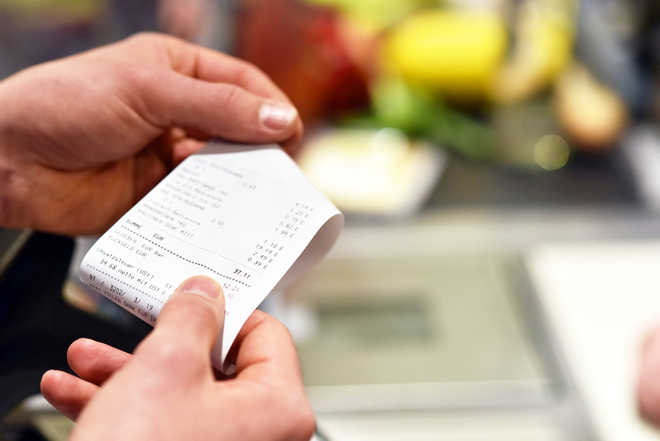
- Receive your receipts digitally if at all feasible; avoid handling paper copies. “Some retailers in the US such as Trader Joe’s and Best Buy have already done this after many people complained. But awareness in India remains low,” stated Pradhan.
- Spread the word and send emails to your preferred retail establishments requesting that they convert to phenol-free receipt paper.
- If holding the receipt is necessary, try not to come into contact with the printed side. According to Pradhan, the hazardous coating is typically absent on the unprinted side.
Note: This article is informative in nature.