
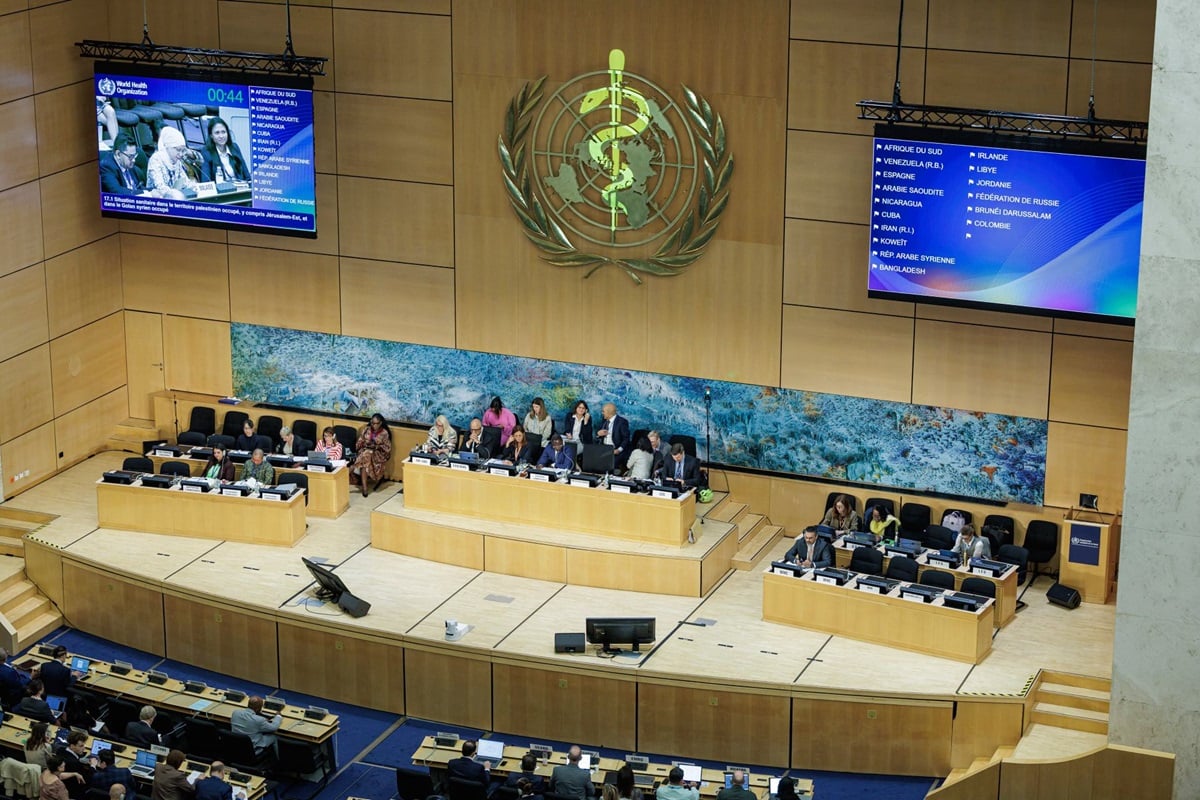
The World Health Assembly convened today, endorsing a proposal for the Director-General to prepare a post-2030 tuberculosis (TB) strategy. This strategy is being developed in collaboration with Member States and relevant stakeholders and will be presented at the Eighty-first World Health Assembly in 2028.
The new strategy aims to direct future global TB responses by integrating emerging scientific innovations and current epidemiological data. It will align with primary health care principles, promote universal health coverage, and support global health security initiatives in advance of the 2028 United Nations High-Level Meeting on TB.
Current TB Strategy and Resolutions
The Assembly reviewed the progress and challenges of the current End TB Strategy. Between 2000 and 2024, expanded TB treatments have saved approximately 83 million lives, with 2024 marking a decline in TB incidence for the first time since the pandemic, alongside unprecedented access to essential TB services.
However, TB continues to be a leading infectious disease killer. The goals set by the End TB Strategy and the 2030 Agenda for Sustainable Development are still unmet due to factors like chronic underfunding, pandemic disruptions, inequality, conflict, and climate-related challenges.
Steatotic Liver Disease (SLD) Recognized
Delegates approved a resolution identifying steatotic liver disease (SLD), once known as fatty liver disease, as a significant contributor to the global burden of noncommunicable diseases (NCDs). Affecting nearly 1.7 billion people, SLD is a rapidly growing cause of chronic liver disease worldwide.
SLD is linked to conditions such as obesity, type 2 diabetes, and cardiovascular disease. Addressing SLD, the resolution urges Member States to integrate SLD into national NCD strategies, enhance primary health care, improve surveillance, and promote actions targeting common NCD risk factors. It also emphasizes the need for accessible prevention, screening, diagnosis, and management services, especially for high-risk groups like children and adolescents.
Haemophilia and Bleeding Disorders
In another resolution, Member States reaffirmed their commitment to addressing haemophilia and other bleeding disorders, which remain underdiagnosed globally. Haemophilia and similar conditions inhibit proper blood clotting, leading to prolonged bleeding and, if untreated, serious health complications.
The resolution aims to close existing equity gaps by enhancing treatment access and integrating bleeding disorder management into national health policies. It supports adding life-saving therapies to national Essential Medicines Lists and improving public awareness to reduce stigma.
Addressing Health Disinformation
The Assembly also hosted a Strategic Roundtable on health misinformation and disinformation. This session highlighted the growing public health threat of misinformation and emphasized the need for multisectoral collaboration and robust information systems. Participants advocated for proactive engagement strategies and reinforced the critical role of the World Health Organization (WHO) in guiding global information integrity efforts.
For any medical concerns or conditions, please consult a healthcare professional.